Kahina is the nickname of a Berber military leader from the 7th century. Her real name was Lalla Dihya. She led her tribe and fiercely resisted the advancing Umayyad Caliphate. A powerful woman who succeeded in defeating her enemies. So impressively that they didn’t dare attack again for years.
To prevent further invasions, Kahina is said to have changed her tactics to a scorched-earth strategy: during her campaigns, anything of value was destroyed, leaving nothing behind for future conquerors. Smart, but tragic, as farmers and villagers eventually turned against her. Since they no longer resisted the Umayyads, Kahina lost her power. As a result, many Berbers were ultimately forced to convert to Islam after years of resistance.
Kahina: History or storytelling?
How did she die? We can’t be certain. Some stories claim she poisoned herself to avoid capture. Others say she died in battle or that her head was sent to the Umayyads as proof of her death.
Many, often conflicting, stories surround her life. Was she Christian? Of Jewish descent? A sorceress with three children? A feminist before her time? Did she really live to be 127? Or was she a bird lover who painted her feathered friends? We may never know. But for the Berber people, Kahina remains a symbol of strength, independence and determination.
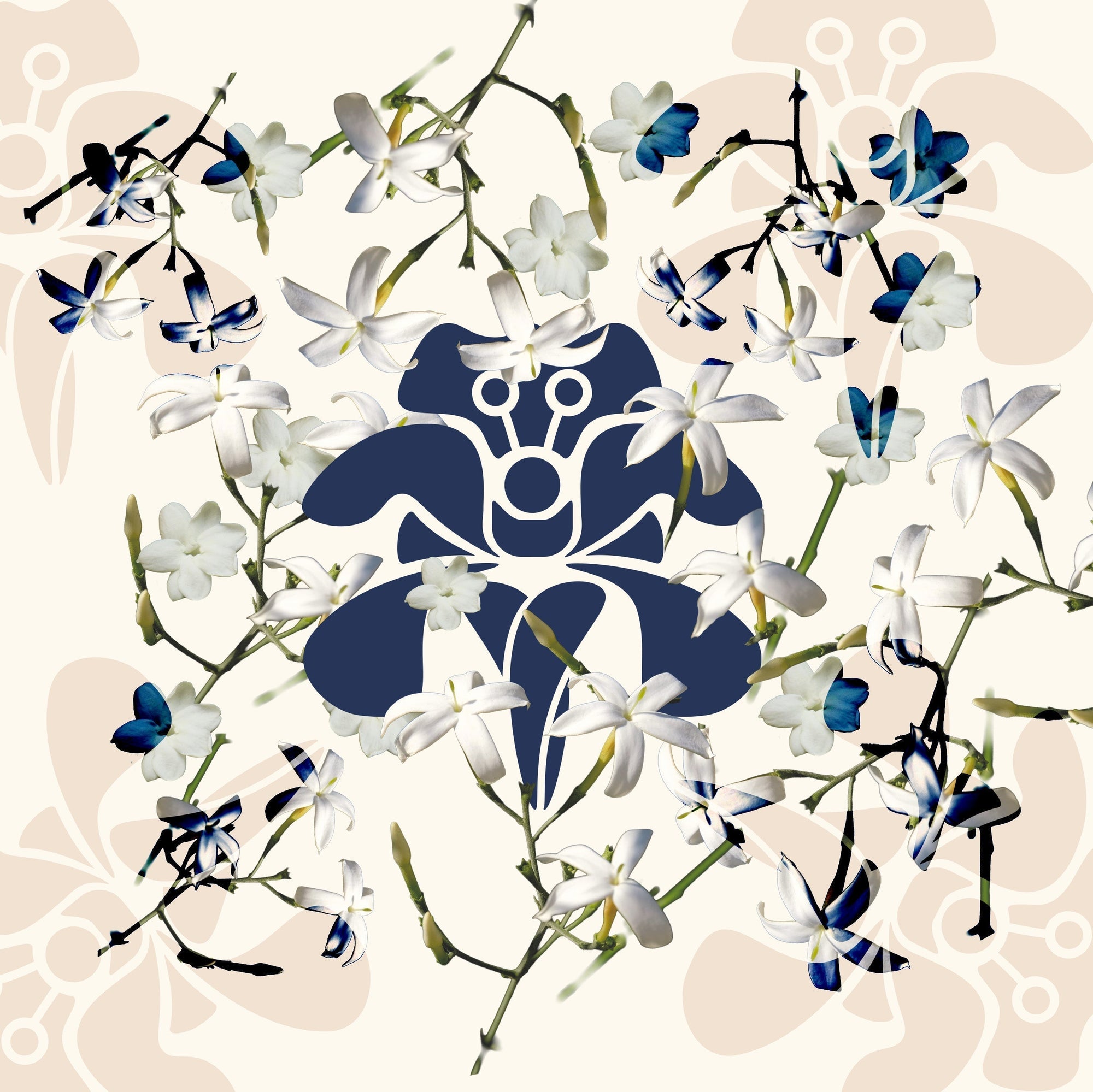
Ottimare scarves inspired on the visual language of the Berber culture
Berber culture lives on, not only through stories, but especially through its art. Women play a central role in this. Examples include symbolic tattoos, handmade expressive jewelry, and textiles. Designs that are passed down from generation to generation.
This rich visual language forms the inspiration for our new scarf collection at Ottimare. Each design echoes the colors and patterns of Berber tradition. Think geometry and earthy tones.

Several pictures of beautiful tapestry and a Berber Necklace in Agadir Art Museum
Berber woman in the society today
And while Berber women contribute greatly to their culture, they still live in a society where inequality is a reality. Many girls do not attend school and never learn to read or write. Progress has been made, such as the recognition of the Berber language and reforms in the argan oil industry, but there is still a long way to go.
With this collection, we aim not only to celebrate beauty, but also to tell a story. Art, culture, and strength come together in our latest designs. Each scarf tells a tale, of womanhood, resilience, and a beauty that goes beyond what the eye can see.